
Developer:Japan Hyo-On Association
“Hyo-on®” refers to the temperature range between 0℃ and the point just before freezing, where food remains unfrozen yet biologically active.This process enhances umami flavor while preserving freshness.
UP↑
Increase in Umami
UP↑
Freshness Preservation
“Hyo-On®” refers to the temperature range between 0℃ and the food’s specific freezing point—a zone where the food remains unfrozen yet biologically active.
In this environment, food triggers a self-defense response to protect itself from freezing. Specifically, it breaks down intracellular proteins into amino acids (umami components) and starches into sugars (sweetness components) to accumulate antifreeze substances; this process dramatically enhances the ingredient’s natural flavor.
Furthermore, because the proliferation of harmful microorganisms is suppressed, long-term preservation is possible while maintaining high freshness. “Hyo-On®” represents a third, innovative temperature zone—distinct from both standard refrigeration and freezing.
MECHANISM
Self-Defense Response to Sub-Freezing Temperatures
When food (biological cells) reaches the sub-freezing temperature range, it activates the following self-defense mechanisms.
Upon sensing the critical cold of sub-zero temperatures, cells halt their normal metabolic processes and switch to an emergency survival mode (a self-defense response).
The cells begin rapidly breaking down stored energy sources—such as starch and protein—into smaller molecules like sugars and amino acids.
Large quantities of these smaller molecules (sugars, amino acids, glycerol, etc.) dissolve into the cellular fluid dramatically increasing the concentration of the liquid within the cell. This lowers the freezing point of the water inside to below 0℃.
Two Benefits Resulting from These Phenomena
― Intensified Umami and Sweetness
The amino acids and sugars that the cells produce as natural anti-freeze agents are the very components responsible for umami and sweetness. Consequently, ingredients stored in this sub-zero range can significantly enhance their inherent deliciousness through their own internal processes, without the need for any additives.
― Retention of Succulence
Because the cells themselves do not freeze, the “drip phenomenon”—where moisture containing umami-rich flavor flows out during thawing—does not occur. Since the cell walls remain intact and moisture is effectively retained, the food maintains a succulent, fresh texture.
CERTIFICATION SYSTEM
Hyo-On® Certification System
Hyo-On® is a registered trademark (indicated by the ® symbol).
The “Hyo-On®” certification is a rigorous system designed to safeguard the reliability and brand value of Hyo-On technology—an exceptional method for food preservation and maturation. Terms such as “Hyo-On” and “Hyo-On-aging” are registered trademarks of Hyo-On Research Institute Co., Ltd., and unauthorized use is prohibited. To obtain certification, it is not enough simply to store products at temperatures below 0℃; applicants must primarily satisfy the following process requirements:
Membership and License Agreement
Become a member of the Hyo-On Association (Public Interest Incorporated Association) and enter into a license agreement regarding technology usage with Hyo-On Research Institute Co., Ltd.
Rigorous Review by the “Hyo-On Certification Council”
After applying, submit actual prototype samples and data to the Council for a strict evaluation based on the following two criteria:
― Verification of Scientific Data
Validation of supporting data confirming that the product was properly managed and processed in an unfrozen state (within the Hyo-On temperature range).
― Sensory Testing and Taste Evaluation
Assessment of whether clear “Hyo-On effects” are evident regarding freshness retention and flavor qualities (such as enhanced umami and improved texture).
FRESHNESS PRESERVATION
Superior Freshness Retention
Reducing Food Waste Through Freshness Preservation
Comparison of 20th Century Pears stored for nine months —— Storage at sub-zero temperatures significantly impacts quality.
Standard Refrigerated Storage

Interior view at +1°C
Hyo-On® Storage

Interior view at -1°C
In the non-freezing sub-zero zone—temperatures below the freezing point of water but above the point where the food itself freezes—a phenomenon known as “freezing point depression” occurs due to the presence of substances like salt within the food. This allows the cells to enter a state of “hibernation” without the cellular damage and subsequent loss of flavor (drip) that typically occur during freezing. Furthermore, it virtually halts microbial growth—which standard refrigeration cannot fully prevent—and slows enzymatic autolysis to an absolute minimum. Consequently, freshness is preserved for a significantly longer period while protecting cellular integrity.
LINEUP
Hyo-On®Food
Commercial Applications
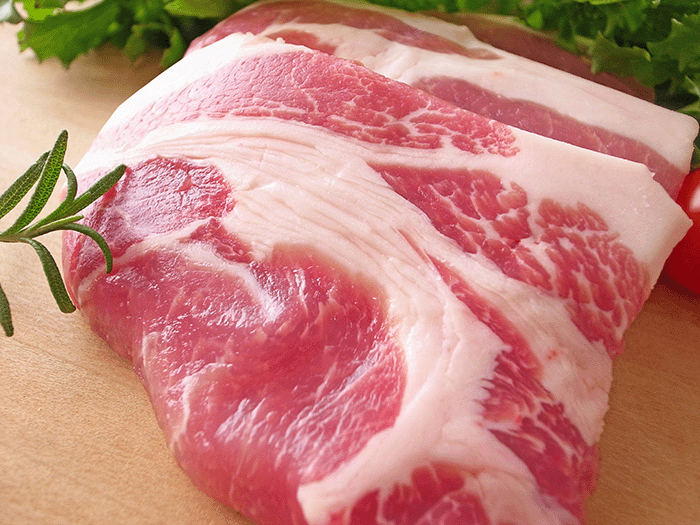
Hyo-On® Aged Pork
Asano Farm Co., Ltd.
By utilizing Hyo-On technology, the freshness of the pork is preserved while enhancing its umami flavor and melt-in-your-mouth texture.
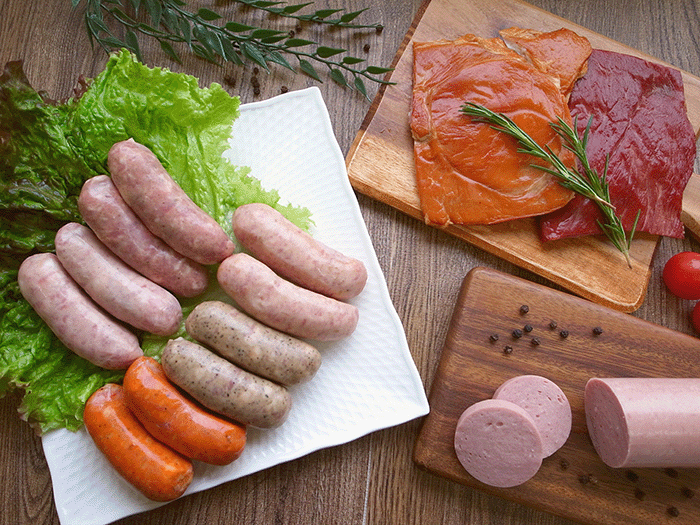
Hyo-On® Aged Ham & Sausages
Chef Meat Chigusa Co., Ltd.
Integrating Hyo-On technology into the ham and sausage manufacturing process enhances their aroma, texture, and umami flavor.
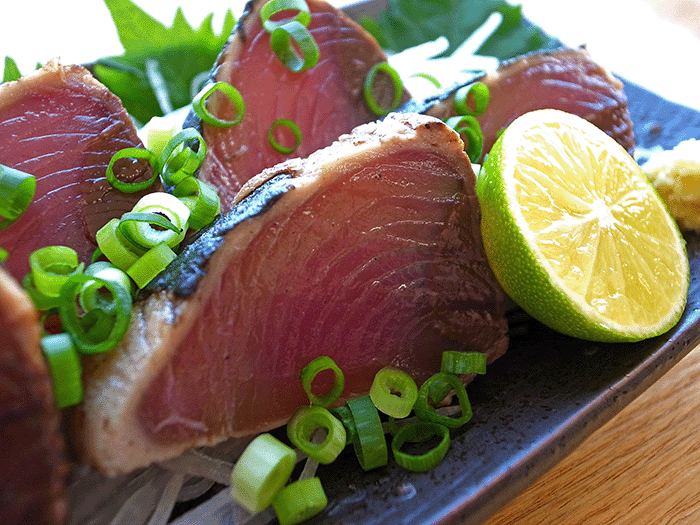
Seared Bonito
Akizuki Co., Ltd.
By transporting the seared bonito within the Hyo-On zone after searing, it can be delivered with high freshness without being frozen.
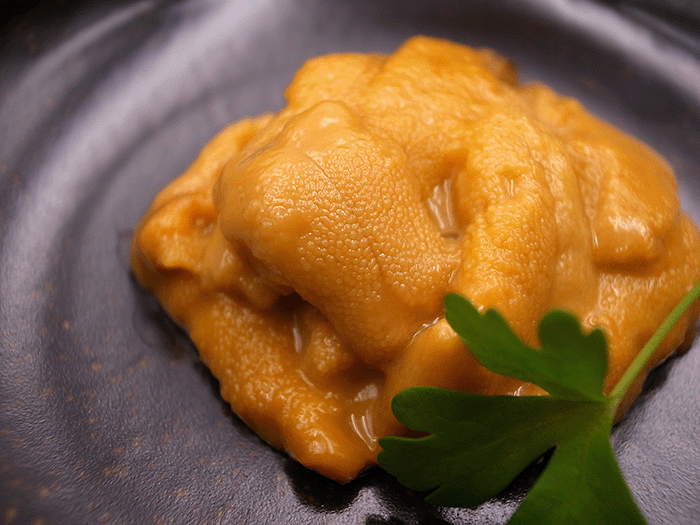
Hyo-On® Aged Sea Urchin
Marutaka Suisan Co., Ltd.
Utilizing Hyo-On technology improves the texture of the sea urchin without losing its shape while also increasing its umami components.
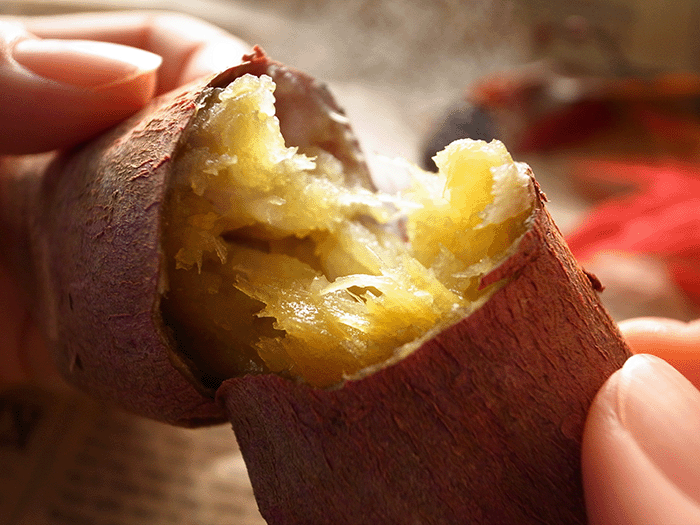
Hyo-On® Aged Roasted Sweet Potato
Tokyo Food Co., Ltd.
Applying Hyo-On technology to roasted sweet potatoes increases their sweetness and enhances their moist, tender texture.
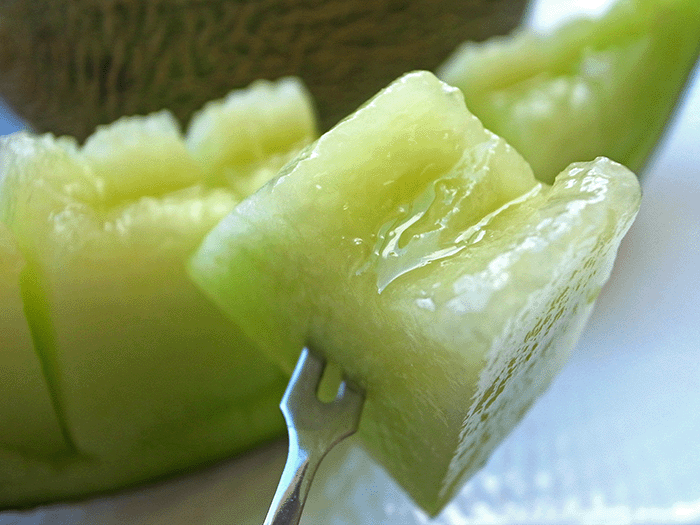
Hyo-On® Melon
Watari Area Agricultural Revitalization Council
The Council successfully achieved Hyo-On storage for cold-sensitive melons by gradually acclimating them. This preserves freshness while enhancing flavor.
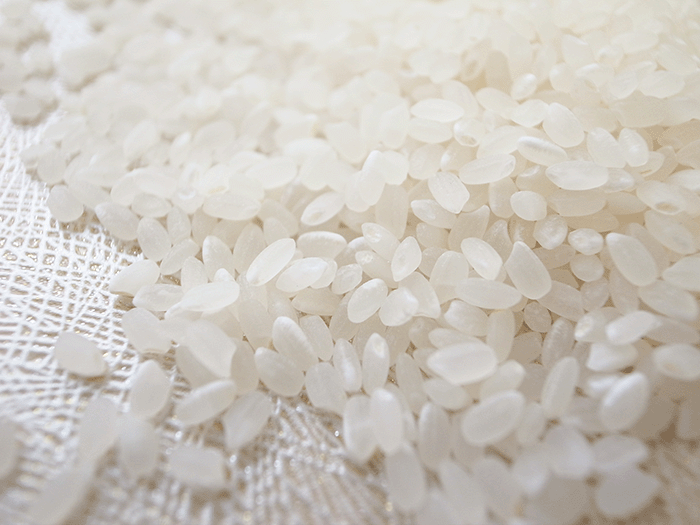
Hyo-On® Aged Rice
Mioken Co., Ltd.
By aging brown rice at Hyo-On, both the umami and sweetness components of the rice are increased, and its stickiness (moist texture) is improved.
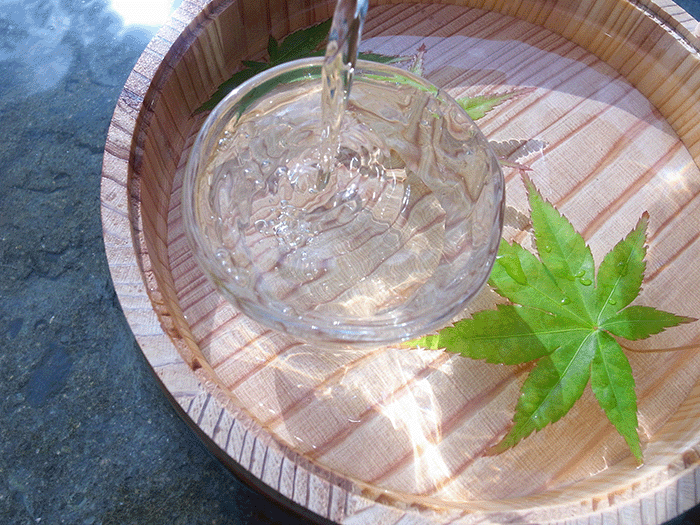
Hyo-On® Aged Sake
Izumise Co., Ltd.
Aging sake at Hyo-On over a long period, ranging from several months to several years, remarkably enhances its flavor profile.